

Os artigos completos estão disponíveis em chinês e inglês. 简体中文
Region
Distilling conditions in the Chishui River Valley
The handbook presents the terrain, climate, soil, water and fermentation microorganisms of the Chishui River Valley together. The Guizhou Zhicheng production base is in Tiantai Town, Chishui City, close to the river.
- Chishui River water
The handbook describes the river as a regional water source that connects the distilling communities along its banks.
- Fermentation pits
The handbook shows local fermentation pits. After steaming, the grain is cooled, mixed with starter and piled before it ferments in the pits.
Hongyingzi sorghum and wheat
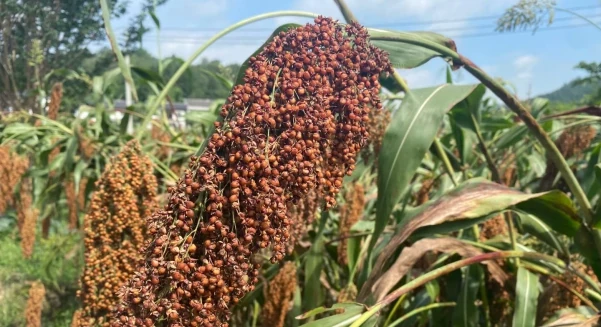
Hongyingzi glutinous sorghum withstands repeated steaming, and wheat is used to make the starter. The ingredients are listed on each product page.
12987 production
A year of production
12987 describes a one-year production cycle with two grain additions, nine rounds of steaming, eight fermentations and seven spirit collections. Starter making begins at the Dragon Boat Festival. The spirits from each round are stored separately in clay jars before selection and blending.
From starter making to spirit collection
- Starter making at the Dragon Boat Festival
The starter is made from wheat. The handbook describes about forty days of starter fermentation and six months of storage before it is used in the grain fermentations.
- Xiasha, the first grain addition
Moisten and prepare the grain, steam it, then cool it and add tail spirit and starter. Pile the grain before sealing it in the fermentation pit.
- Caosha, the second grain addition
Remove the fermented grain and combine it with the second addition for steaming and distilling. Cool it, add starter, pile it and return it to the pit.
- Seven spirit collections
The cooked grain cycles through cooling, starter addition, piling, pit fermentation and distilling. Spirits from the different rounds are stored separately for later selection and blending.
Clay-jar maturation
Cellar conditions and vessels
- The cellar
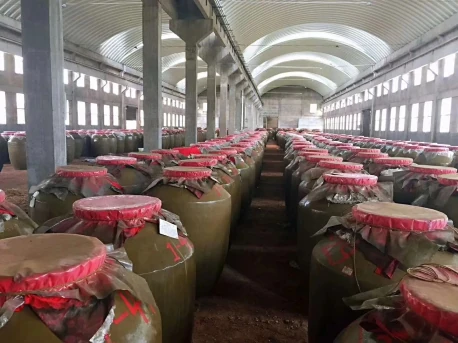
The handbook describes how the cellar changes with the seasons as the base spirits mature and mellow.
- Clay jars
The handbook describes the clay jars as porous vessels that allow gradual exchange with the surrounding air, a process it calls breathing.
Storing by round and blending for character
Base spirits from each collection are stored separately. After maturation, the blender selects them by round, year and character to create each expression.
Tasting guide

Six tasting steps
- Settle and pay attention
Take a moment to settle and give the spirit your attention.
- Raise the glass and observe
Look at the color, clarity and traces on the glass in good light.
- Tilt the glass and nose it
Tilt the glass gently and notice the aromas it releases.
- Taste a small sip slowly
Allow a small sip to cover the tongue and notice the entry, body and finish.
- Bring aroma and palate together
Consider aroma and palate together to identify the spirit’s profile.
- Check the empty glass
After emptying the glass, wait a minute or two and check for lingering grain, toasted and aged notes.